


Table of Contents:
Why So Many Dating Apps Fail Long-Term Daters
What Actually Makes an App Good for Long-Term Relationships?
1. User Intent & Demographics
2. Depth Over Swipes
3. Safety & Inclusivity
4. Compatibility Signals
5. What Happens After the Match
The Honest Rundown: Popular Apps & Where They Fall Short
Where MixerDates Fits In
Real Stories: Members Who Found Long-Term Love
Expert Advice: Dating with Long-Term Intent
Frequently Asked Questions
Ready to Stop Swiping and Start Connecting?
It's 11 p.m. and you're doing it again — thumb hovering over another profile, wondering if this one will actually turn into something, or just another "hey" that fizzles out by Wednesday. If that sounds familiar, you're not alone, and you're definitely not doing anything wrong. Online dating has genuinely helped a lot of people find lasting partners — nearly half of U.S. adults say it's made finding a long-term relationship easier. But plenty of others feel like they're stuck on a hamster wheel of matches that go nowhere, and it's rarely about you. It's usually about the app.
This guide breaks down what actually makes a dating app good for long-term relationships (not just first dates), takes an honest look at where the most popular apps fall short, and shares real advice from relationship coaches and everyday daters. And yes — we'll talk about where MixerDates fits into all this, because we built it specifically for people who are tired of surface-level swiping and ready for something real.
Why So Many Dating Apps Fail Long-Term Daters
Here's the uncomfortable truth: most dating apps aren't actually built to help you find a relationship and then get off the app. Their business model depends on you staying active, which means endless swiping is often rewarded more than genuine compatibility.
The numbers back this up. Roughly seven in ten single Americans who are actively looking say their dating life isn't going well. Ghosting has become so common that surveys estimate it touches the majority of people who date online. And ironically, having too many options — the classic dating app promise — is something a large share of users say has made dating harder, not easier.
None of this means dating apps are broken beyond repair. It means the right app, used with intention, makes a measurable difference. So what should you actually be looking for?
What Actually Makes an App Good for Long-Term Relationships?
Relationship coaches who work with clients on dating apps tend to evaluate platforms using a similar set of criteria. Here's what matters most if you're playing the long game.
1. User Intent & Demographics
Is the app genuinely full of people looking for something serious, or is it optimized for casual, low-commitment interactions? Age range and life stage matter too — a 24-year-old and a 45-year-old are often looking for very different things, even on the same app.
2. Depth Over Swipes
A photo and a one-line bio tell you almost nothing about whether you're compatible with someone. Apps that use thoughtful prompts, values-based questions, or compatibility surveys give you real signal — the kind that survives past the first date.
3. Safety & Inclusivity
This one gets overlooked constantly, but it shouldn't. Does the platform actively support safety, verification, and respectful behavior? And just as importantly — does it feel welcoming if you're LGBTQ+, a person of color, or simply don't fit the "default" dating app mold? Research from Pew shows LGB adults are far more likely to have used dating apps than straight adults, which makes inclusive design more than a nice-to-have — it's essential infrastructure for a huge share of daters.
4. Compatibility Signals
Shared values, communication style, and life goals predict long-term fit far better than shared taste in restaurants. The best apps are built to surface this early, not leave you to discover it three months in.
5. What Happens After the Match
A match is the beginning, not the finish line. Does the app actually help conversations turn into real connection, or does it just generate more matches to keep you scrolling?
Coach's note: Dating and relationship coaches often recommend a simple pacing framework for evaluating new connections — give it three dates to assess initial compatibility, three months to see if consistency and values genuinely line up, and around nine months before drawing conclusions about long-term potential. The goal isn't to overthink every match — it's to stop mistaking early chemistry for proof of compatibility.
The Honest Rundown: Popular Apps & Where They Fall Short
To be clear — these are solid platforms, and plenty of real relationships have started on all of them. But it's worth understanding what you're actually signing up for.
Tinder has the largest user base of any dating app in the U.S. and plenty of long-term couples got their start there. But its DNA is built around quick decisions and casual-first culture, which means you'll do more filtering to find people who share your relationship goals.
Hinge markets itself as "designed to be deleted" and its prompt-based profiles do encourage more personality than a swipe-only app. The tradeoff: many of its most useful features for filtering serious matches sit behind a paywall, and at its core, it's still a swiping mechanism.
Match and eHarmony attract an older, more relationship-minded crowd, largely because their pricing and lengthy questionnaires filter out casual browsers. The downside is real: higher costs, dated interfaces, and — in eHarmony's case — a multi-month commitment before you've even met anyone.
Bumble puts women in control of the first message, which plenty of users appreciate. But underneath that feature, it runs on the same swipe-first mechanics as everything else — match on a photo, hope compatibility follows later.
Here's the pattern across nearly every mainstream app: you match first, on looks, and figure out compatibility second — if you get that far at all. For a huge number of daters, that's exactly backwards.
Where MixerDates Fits In
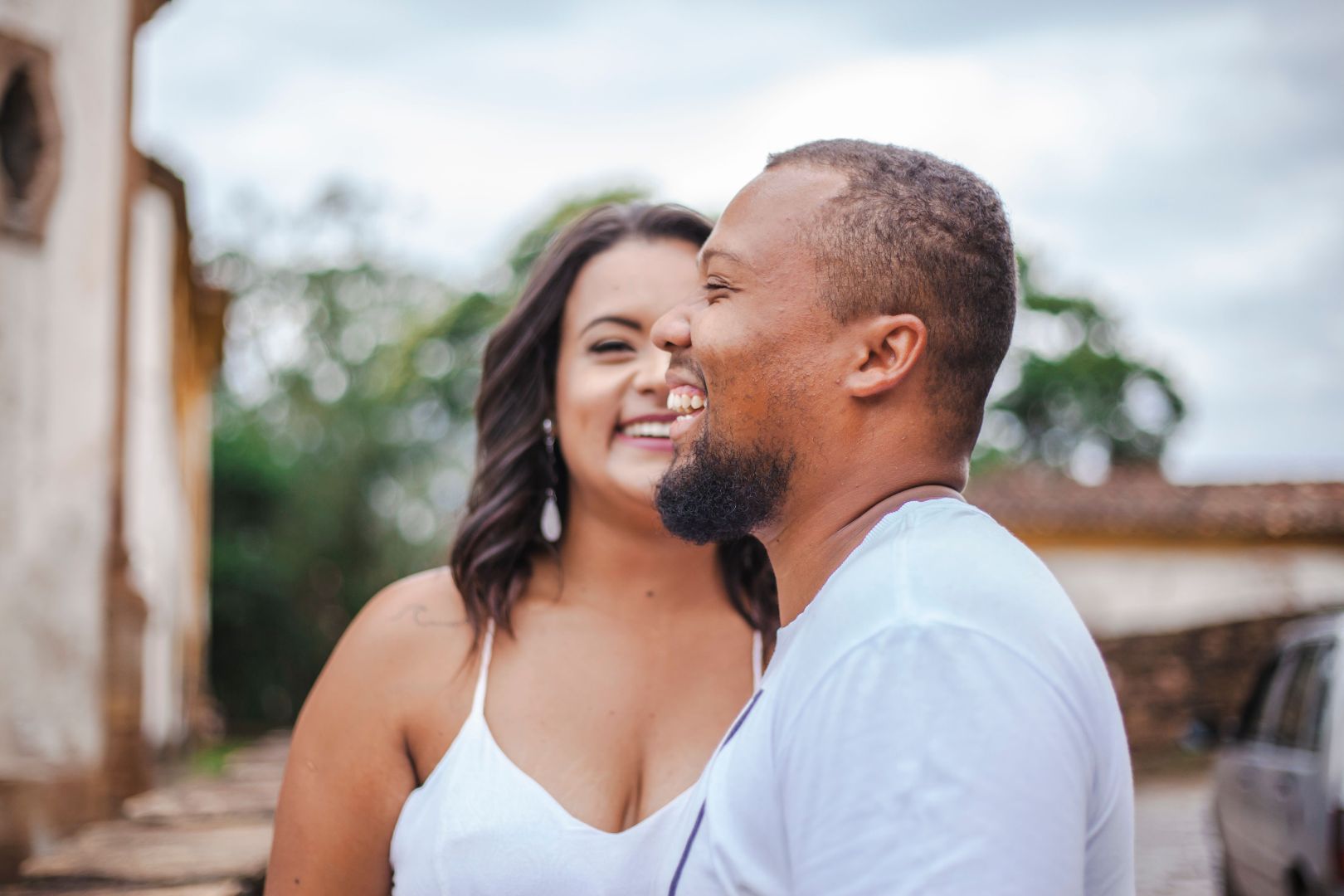
MixerDates was built to flip that order. Instead of asking "do I like this photo?" first and everything else later, MixerDates is designed around the same criteria relationship coaches actually recommend evaluating an app on — safety, depth, and genuine compatibility — from the very first profile you see.
Inclusive by design. MixerDates was built as a positive, judgment-free community from day one — not retrofitted with an "inclusive" filter after launch. Whatever your background, orientation, or relationship goals, the platform is built so you're not the exception to the default user; you are the default user.
Matching that goes deeper than a photo. Profiles are built around values and personality prompts, not just a curated photo dump, so the people you match with are showing you something real before you ever start a conversation.
A community that actually enforces "positive." Harassment, ghosting culture, and low-effort profiles aren't just discouraged — they're actively moderated against. A safe, respectful environment isn't a footnote in our community guidelines; it's the whole point.
Built to help you get off the app — with someone. Every feature, from icebreaker prompts to profile depth, is designed to help early conversations turn into real connection instead of just generating more matches to swipe past.
Criteria | Tinder / Hinge / Bumble | Match / eHarmony | MixerDates |
Built for casual or serious daters? | Mostly casual-first | Serious, but slow & costly | Serious, built for real connection |
Profile depth | Photo-first, light prompts | Long questionnaires | Values-based prompts, balanced depth |
Inclusivity as core design | Varies by app | Limited focus | Built-in from day one |
Community moderation | Standard reporting tools | Standard reporting tools | Actively enforced positive-community standards |
Cost to access real filtering | Often paywalled | High-cost, long commitment | Accessible, no long lock-in |
That's exactly the gap MixerDates set out to close — a platform where you don't have to choose between "serious" and "affordable," or between "inclusive" and "quality matches."
Real Stories: Members Who Found Long-Term Love
(Note to the MixerDates team: the quotes below are illustrative placeholders showing the tone and format we recommend — swap in real, permission-granted member testimonials before publishing.)
"I'd basically given up after two years of dead-end matches on other apps. The first person I talked to on MixerDates asked about my values before my job title. We've been together over a year now." — placeholder, Member, Austin, TX
"What got me wasn't the matches — it was how normal it felt to just be myself here. No one made me feel like I had to shrink myself down to fit in." — placeholder, Member, Chicago, IL
"I'd tried three other apps before this one. MixerDates was the first place where conversations actually turned into real dates instead of fizzling out after 'hey.'" — placeholder, Member, Denver, CO
Expert Advice: Dating with Long-Term Intent
A few practical tips that dating and relationship coaches consistently point to for people who want more than a fling:
Lead with values, not just interests. Two people who both like hiking and true crime podcasts can still be completely misaligned on what they want out of life. Say what you're actually looking for, early and clearly.
Use a pacing framework instead of gut instinct alone. Give new connections real time — a few dates, then a few months — before deciding whether the relationship has long-term legs.
Watch how someone treats the community, not just you. How a match talks about past partners, treats customer support, or behaves in a group setting tells you more about their character than their opening line ever will.
Protect your patience. Long-term compatibility isn't something you can rush. If a platform is pushing you toward more matches instead of better ones, that's worth noticing.
Frequently Asked Questions
What is the best dating app for a long-term relationship in 2026?
There's no single "best" app for everyone — it depends on your age, values, and what kind of community you want to date within. Apps that prioritize profile depth, safety, and inclusive design (like MixerDates) tend to produce better long-term outcomes than swipe-first, casual-leaning apps.
Are dating apps actually effective for finding a serious relationship?
Yes, for many people. Roughly one in ten partnered U.S. adults met their current partner through a dating site or app, and that share is even higher among adults under 30 and LGBTQ+ adults. Effectiveness depends heavily on choosing a platform aligned with serious dating, not just casual browsing.
What makes MixerDates different from other dating apps?
MixerDates is built around inclusivity, safety, and depth from the ground up rather than as an add-on. The platform is designed for a positive community and profiles that reveal real compatibility signals, not just photos.
Is MixerDates free to join?
MixerDates offers free access to create a profile and start connecting, so you can experience the community before deciding if a paid upgrade is right for you. [Confirm current pricing details before publishing.]
How do I know if someone on a dating app wants something serious?
Look at how they engage with their profile — thoughtful prompts and clear communication about intentions are good signs. Early conversations that stay respectful, consistent, and curious (rather than rushed) are usually a strong indicator too.
Ready to Stop Swiping and Start Connecting?
You don't owe any app another six months of your time if it isn't giving you real connection back. Long-term love doesn't come from more matches — it comes from the right ones, on a platform that's actually built for what you're looking for.
Join MixerDates free today and meet people who are just as ready for something real as you are.